Helping the Helper: How SmartCane Supports on-the-ground Extension Teams
Extension officers working for mills or farmer cooperatives, responsible for supporting large numbers of growers across dispersed areas. They operate under time, resource, and communication constraints, and are expected to maintain crop performance, farmer engagement, and cane supply reliability.
Problem
In an outgrower dominated system, the difference between a reliable cane supply system and a volatile one is not only agronomy it is coordination, timing, and oversight.
For extension teams, maintaining effective farmer support at scale is inherently difficult:
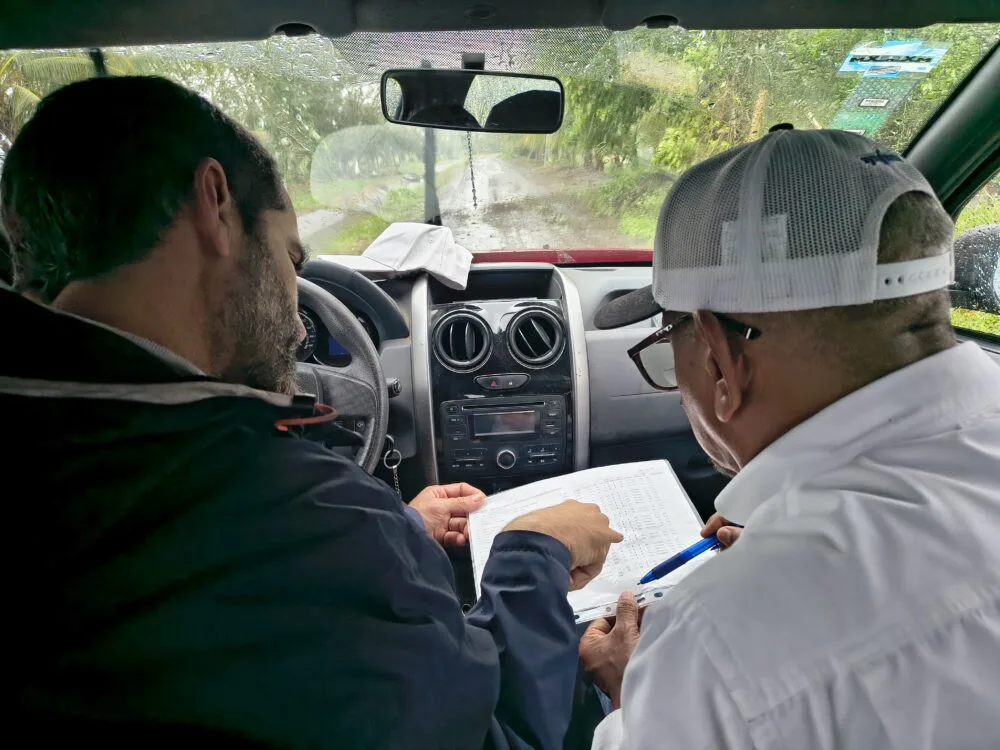
• Field visits are limited and rotational, not continuous
• Crop conditions are only partially observed, often too late
• Communication with farmers is reactive rather than proactive
• Pest and stress signals are detected after damage has spread
As a result: field issues escalate before intervention, extension efforts are spread thin, without clear prioritization and trust between growers and mills is undermined.
At system level, this contributes to:
• Lower yields and inconsistent cane quality
• Delayed or suboptimal harvest timing
• Increased competition for cane and unstable supply
• Reduced long-term reliability of the grower–mill relationship
Solution
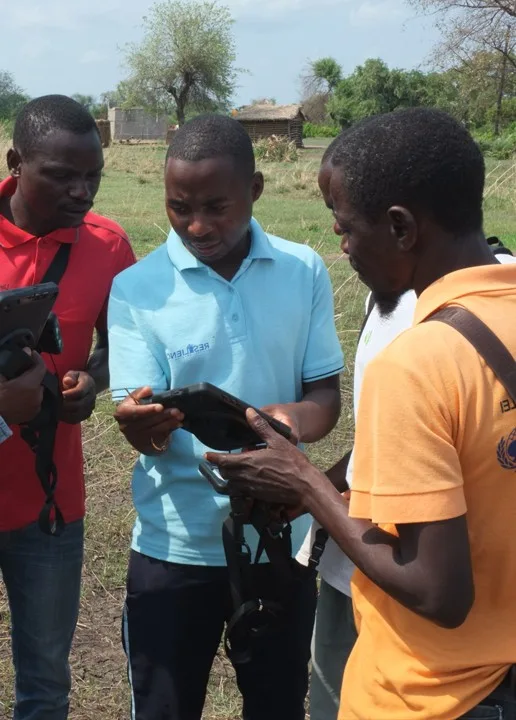
SmartCane strengthens extension services by providing continuous, field-level support, enabling teams to move from reactive scouting to targeted, timely intervention.
Using CI-based monitoring, the system supports extension teams with:
- Prioritized field oversight
- Weekly identification of fields requiring attention (stress, gaps, uneven growth)
- Clear distinction between healthy, at-risk, and underperforming fields
- Focus limited field capacity where it matters most
- Early detection of risks and spread patterns
- Detect emerging stress before it becomes visible in the field
- Identify spatial patterns (hotspots, clusters) for pests and disease
- Enable faster, coordinated response instead of field-by-field reaction
- Structured planning of field visits
- Plan visits based on real crop signals, not fixed schedules
- Reduce unnecessary trips to well-performing fields
- Increase coverage: more fields reached with the same team
- Verification of interventions
- Track whether actions (fertilizing, spraying, weeding) result in crop improvement
- Identify fields where interventions are ineffective or delayed
- Strengthen accountability and feedback loops between field teams and management
- Improved communication with farmers
- Provide clear, evidence-based advice linked to actual field conditions
- Support consistent messaging across extension teams
- Provide sugarcane stakeholders with a discussion platform
- Strengthen trust through timely and relevant support
- Strengthening organisation at different levels: for farmers within a cooperative, between cooperatives and between a mill and cooperatives.