
Growing Cane on a new Farm
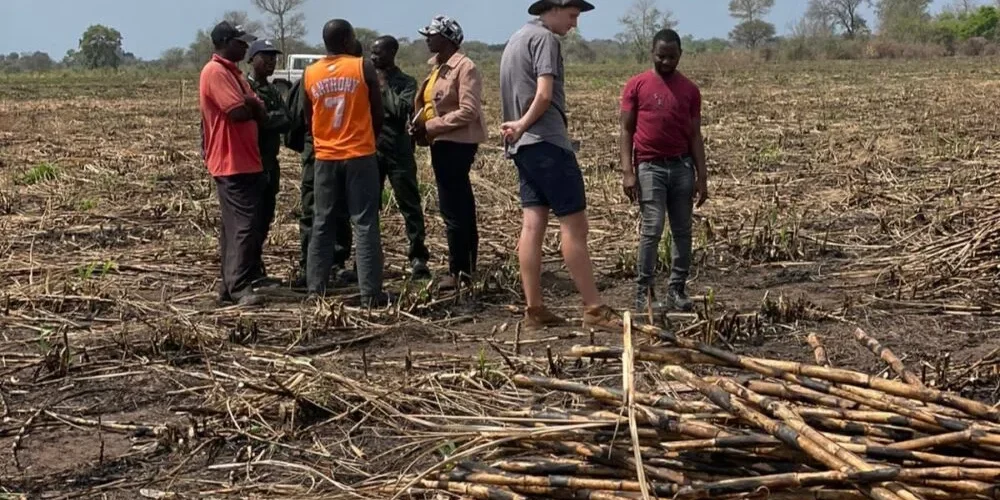
Expanding a sugarcane farm to new areas can be both exciting and daunting. How can you ensure productivity and sustainability without prior experience in these fields? Here we outline the challenges, solutions, and impacts of growing sugarcane on new farmland, highlighting how modern technology can mitigate risks and enhance productivity.
The challenge; At times, new areas may be added to your farm. These areas might have been used to grow sugarcane for years or other crops. The farmers working on these fields may join your organisation or may have moved elsewhere. Regardless, you now have the responsibility to grow sugarcane but lack experience farming these specific fields.
Key challenges include:
Uncertainty about inherited issues and soil fertility.
Questions about topography, wind, and nutrients creating the optimal microclimate for cane growth.
The need for several growth cycles to address uncertainties.
Essentially, you are beginning a learning process. With the support of expertise and trained staff, you create a farm production plan, procure inputs, and start land preparation. The crop is planted, and then observation, growth monitoring, early indicator checks, record-keeping, and frequent field visits are necessary to develop an optimal growth plan. This process may need to be repeated for one or two more harvests until sufficient experience is gained and the intensity of monitoring can be reduced. In sugarcane farming, this process takes years, is highly capital-intensive, and carries risks that can affect the existence of the enterprise. It involves high uncertainty and high risk.
The solution; Additional support is available to help you monitor the cane. Satellite monitoring services, particularly in this situation, reduce the risk of growth-hampering issues becoming disruptive. These services provide early warnings for every square metre of your farm. With frequent, detailed growth monitoring using satellite imagery and the sugarcane crop growth calendar, you can stay up-to-date on crop development in these fields.
SmartCane specialises in sugarcane production systems, recognising the specific crop management activities involved and fitting seamlessly into farm operations. Key features include:
Weekly reports indicating crop performance.
Effects of agronomic measures such as weeding, gap filling, fertiliser application, drainage, and irrigation.
Longer-term effects of topography and soil, as well as irregular effects like animal incursions and unplanned farm activities.
With SmartCane, your farm is continuously monitored, and you are notified as needed. Weekly farm activity planning is supported, with priorities indicated based on their impact on yield. This feature analyses growth reduction and the area affected. For new areas where historical knowledge is lacking, SmartCane can look back in time and provide insights into historical growth patterns, supporting your initial land preparation with experienced data from the start.
The impact; The speed at which your agronomic manager learns and makes effective decisions is increased. By combining field observations with remote sensing, the learning cycle is shortened. Cane development is better controlled, and farm activity planning is based on collected data.
SmartCane reduces the risks associated with expansions and takeovers by adding continuous monitoring and data analytics to your farm, enhancing your farming efforts from day one.
We’d love to hear your thoughts and experiences! Have you faced similar challenges in expanding your farm? How have you leveraged technology to enhance productivity? Share your stories in the comments.
#Agriculture #Farming #AgTech #Sugarcane #SmartFarming #Innovation #SmartCane